5 Emerging Trends in Infrastructure Project Management
Introduction
Infrastructure project management is undergoing a significant transformation driven by technology and sustainability. These changes are redefining how projects are planned, designed, and executed, offering new opportunities for both investors and industry professionals. Below, we explore five key trends that are shaping the future of infrastructure.
Trend 1: Automation and Artificial Intelligence
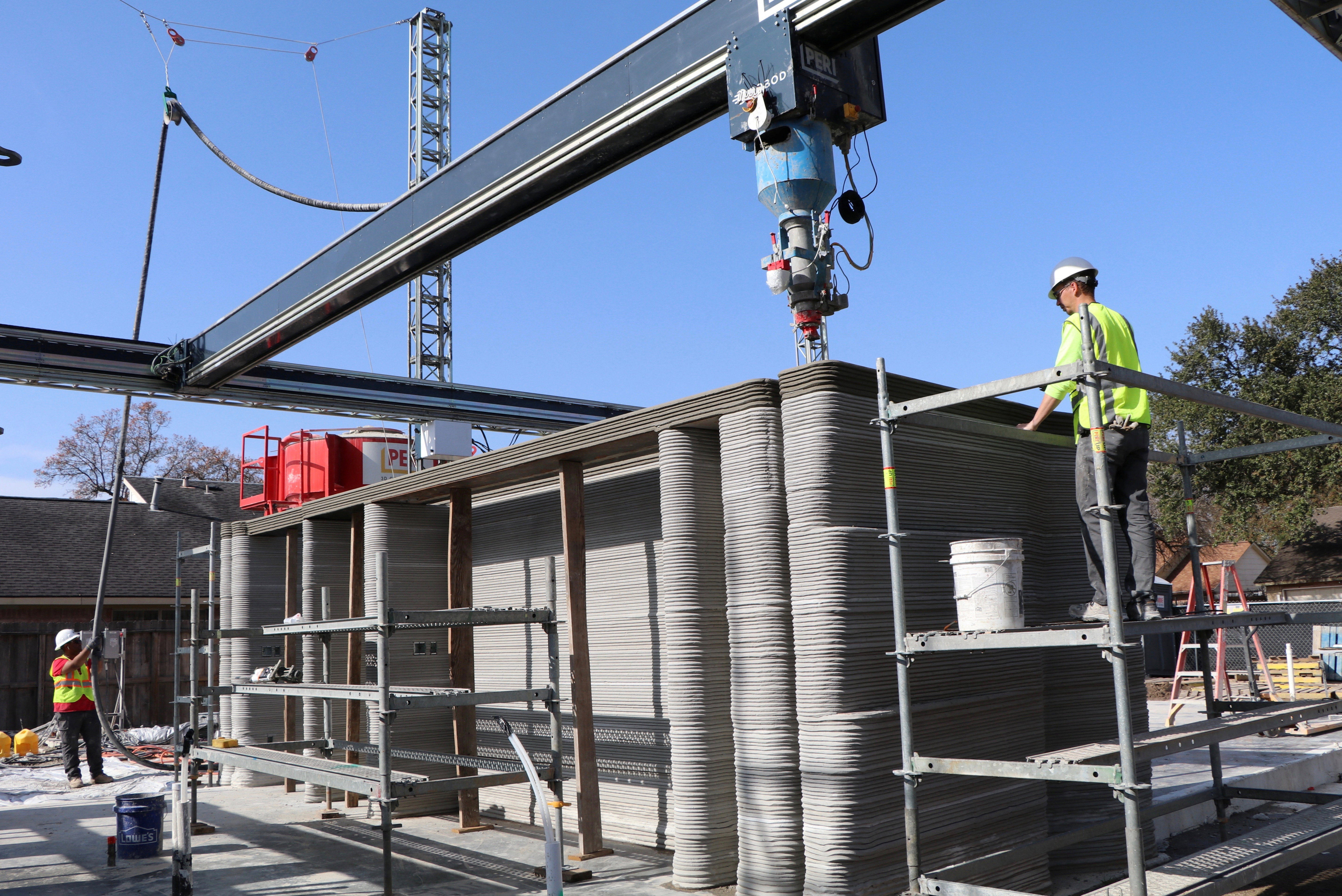
Automation and artificial intelligence (AI) are revolutionizing the way infrastructure projects are managed. From planning to execution, these technologies enable greater efficiency and precision, reducing time and costs.
Key Aspects:
- Resource Optimization: AI tools can predict resource needs and optimize their allocation.
- Predictive Analytics: AI enables you to anticipate potential problems and make proactive decisions to mitigate risks.
- Task Automation: Repetitive and low-value tasks can be automated, freeing up time for more strategic activities.
Trend 2: Sustainability and Green Construction
Demand for sustainable practices and green building projects continues to rise. Investors and communities are seeking projects that minimize environmental impact and maximize energy efficiency.
Key Aspects:
- Eco-Friendly Designs: Incorporating sustainable materials and construction techniques that reduce waste.
- Renewable Energy: Integration of renewable energy sources such as solar and wind into infrastructure projects.
- Green Certifications: Obtaining certifications such as LEED to increase the attractiveness and value of projects.

Trend 3: Digitalization and Building Information Modeling (BIM)
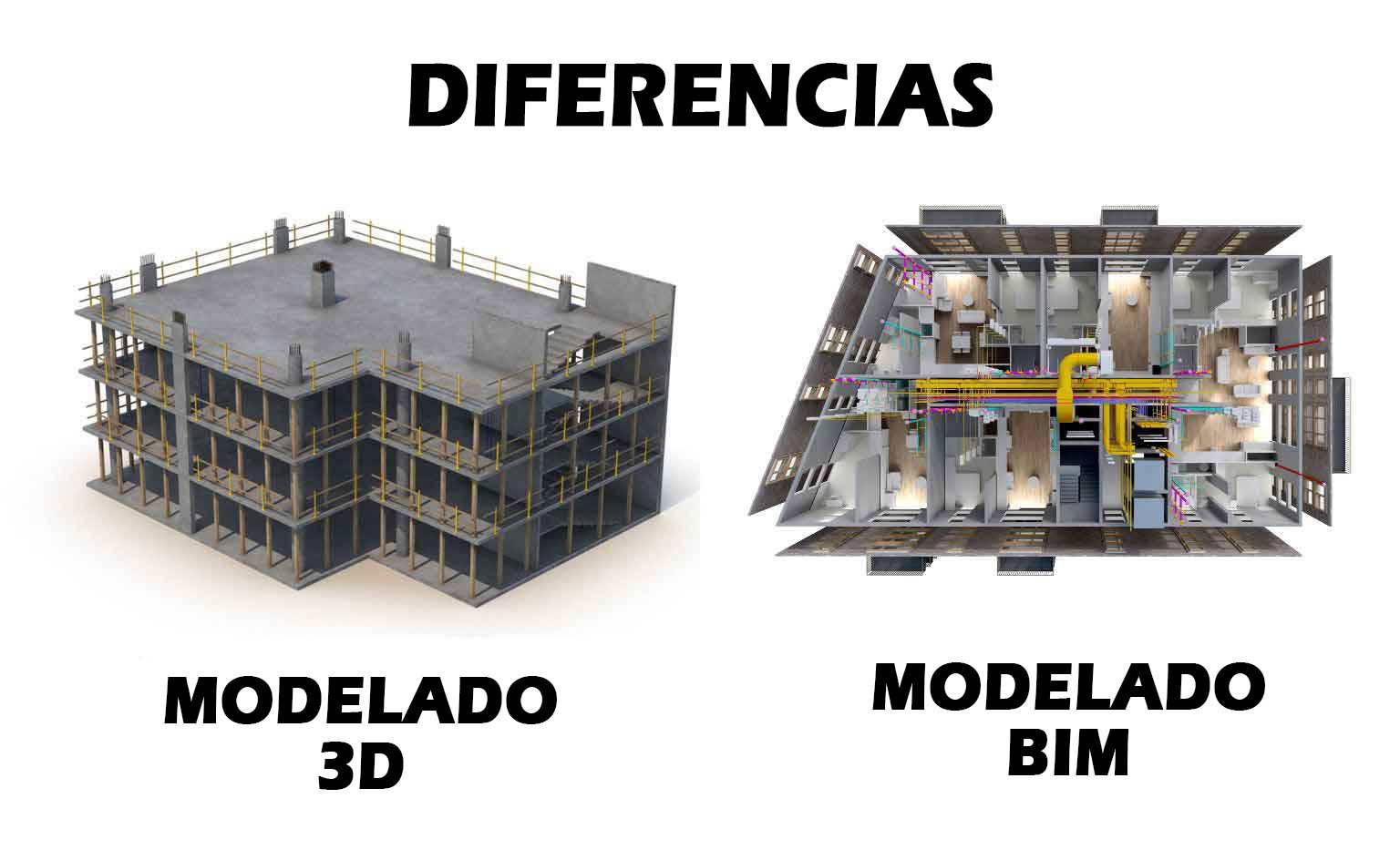
Digitalization, driven by the use of Building Information Modeling (BIM), is transforming the way infrastructure projects are managed. BIM allows for the creation of a detailed digital model of the project, facilitating visualization and collaboration.
Key Aspects:
- Effective Collaboration: BIM facilitates collaboration between different teams and disciplines, improving coordination and reducing errors.
- Project Simulation: Allows detailed simulations to be performed prior to physical construction, identifying potential problems.
- Change Management: Improves the ability to efficiently manage design and construction changes.
Trend 4: Augmented Reality (AR) and Virtual Reality (VR)
Augmented reality (AR) and virtual reality (VR) technologies are revolutionizing the planning and execution of infrastructure projects, providing advanced visual tools for design and collaboration.
Key Aspects:
- Immersive Visualization: AR and VR allow project teams and clients to visualize what projects will look like before construction, facilitating decision-making.
- Training and Safety: VR simulations